Coffee in your home ought to seem like a tiny deluxe, not a concession. That initial inhale when the mill whirs, the silk of bloom in the kettle's heavy steam, the aromatic lift that makes the space feel warmer than it is. When the beans are fresh and appropriately sourced, the cup lugs detail: jasmine in an Ethiopian heirloom, dark cherry in a natural-processed Colombian, chocolate and orange enthusiasm in a Guatemalan cleaned. When the beans are stagnant, all of that falls down into cardboard and resentment. The hardest component concerning shopping for inexpensive coffee online isn't the rate, it's threading the needle in between real value and the covert expenses of staleness, waste, and inconsistent quality.
I have actually baked at home, worked with wholesale acquiring for a little coffee shop, and invested way too much of my life monitoring roast days. Excellent coffee need not be expensive, but excellent coffee is never ever unintentional. If you want cheap coffee beans delivered, you have to be selective regarding where you buy, exactly how you evaluate freshness, and which concessions you accept. Done right, you'll consume better, spend much less, and never return to mystery beans marketed by the promotion banner.
What "cheap" must mean when you care about flavor
Price is the initial filter, but "low-cost" has layers. A 2-pound bag of stagnant beans that requires you to make use of 20 percent a lot more premises to coax any taste is not inexpensive. A subscription that ships regular monthly whether you require it or otherwise, leaving half a bag wandering beyond its prime, is not cheap. Economical, when flavor matters, means paying for intact quality and decreasing waste. The target is usually $10 to $16 per pound for everyday drinkers, stretching to $18 to $22 when the origin or handling justifies it. Routine sale rates can draw credible roasters into that lower band if you know when to buy.
I maintain a mental journal of worth per cup rather than cost per bag. A typical home dosage at 1:16 brew ratio with 20 grams of coffee returns about 320 grams of finished mixture, concerning 11 ounces. One extra pound provides around 22 to 23 such mixtures. If a $16 pound beverages extremely well with the last cup, it defeats a $12 extra pound that tastes flat after a week, since you won't push it away or double up on the dosage to chase after flavor. The cheapest bag is the one you finish happily.
The 2 clocks that control freshness
Freshness isn't guesswork. 2 clocks tick from the minute a roaster cools the set: a carbon dioxide clock and a taste clock.
During the initial 3 to 7 days, carbon dioxide degasses aggressively. Trapped gas is why new bags look puffed up and why coffee can sputter if you draw shots too soon. This very early stage isn't the preference optimal for many brewing approaches. Filter coffee often tends to sing after day 5 with day 14, in some cases day 21, depending upon roast level and handling. Coffee often supports in between day 7 and day 21. By week four, lots of coffees taste low-key, with fruit receding and framework softening.
That's why a clear roast day on the bag issues. A best-by date implies little. Always favor roasters that print a roast date and ship within 24 to 72 hours. If you can't see a roast date prior to acquisition, you're purchasing on hope. Hope is totally free, however it is seldom cheap.
Where "cheap coffee beans delivered" hides its traps
Aggregators and large markets lure with small cost and rapid delivery. The catch is stock lag and nontransparent supply monitoring. Beans could sit in a storehouse for weeks. A brand name's main web site might ship within days of roasting while their marketplace listings deliver old stock. Bulk vendors lean on quantity, not turnover. You get the rate, shed the flavor, then overcompensate in your brew recipe and end up the bag with a sigh.
On the other hand, store roasters can be costly, yet they run regular promos. The delta between a $22 bag and a $15 bag, when marked down, often shows the same coffee on various timelines. Registering for a newsletter to catch a stockroom clearance or a seasonal origin transition can go down prices without compromising quality, due to the fact that clearance frequently goes after label adjustments as opposed to age.
The phrase "Cheap coffee beans delivered" must never ever imply enigma coffee delivered. The far better analysis is straightforward: acquire direct when feasible, sign up with a couple of roasters' newsletters, and record the offer currently of roasting, not at the end of the supply chain.
Decoding labels that assure everything
Labels can misdirect. "Tiny set," "artisanal," and "exquisite" have no standard definitions. Organic and reasonable profession accreditations tell you about compliance systems, not taste. They matter for other factors, however they do not guarantee freshness or quality in the cup. Altitude information works, range names sometimes practical, but those only luster when the roast is fresh and well executed.
I search for: roast date, roast degree specified clearly (light, tool, medium-dark), sampling notes that review like a human composed them, and a brewing home window referral. When a roaster states, "Finest from days 5 to 18," they are drinking their very own coffee and thinking about your experience. That level of sincerity typically associates with fast shipping and excellent packaging.
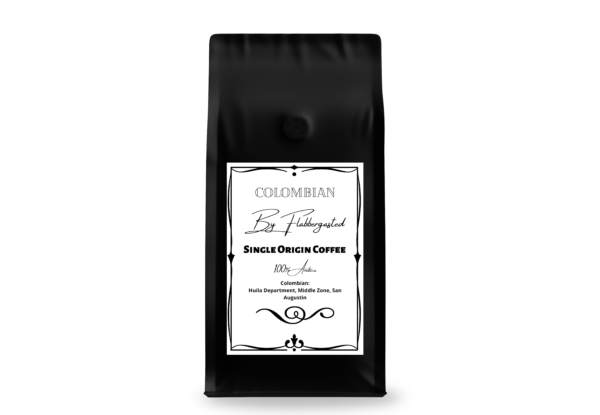
If you're choosing in between two comparable offerings, prefer the one with particular information over obscure romance duplicate. When "Best coffee beans delivery" is an insurance claim instead of a practice, you'll see it in the details.
Packaging that preserves flavor without theatrics
Valve bags are standard because degassing requirements a getaway path. The shutoff isn't a magic freshness lock, it's a stress release. The real security originates from oxygen barriers. Search for multi-layer bags with a resealable zip, kept in great, completely dry problems. If warm seals are missing and the bag arrived already puffy and loosened, it probably sat too long or was loaded sloppily.
At home, you do not require vacuum cleaner equipments or pricey containers for many utilize instances. Divide the bag when it lands. Put half into a second closed container, leave the remainder in the factory bag. If you purchase in 2-pound amounts, separate it into smaller sized jars or bags, and open one by one. The easy act of minimizing oxygen exposure will certainly stretch your sweet area by a week.
Freezing jobs, however only if you part prior to cold. Moisture is the enemy. Use tiny, closed containers or quality freezer bags, squeeze out air, and thaw secured at area temperature level to stay clear of condensation. For espresso, single-dose cold with tiny vials or sample jars ends up being a luxury-level benefit that keeps older stock sampling vivid. For pour-over, bigger 100 to 150 gram parts are reliable. The trade-off is fridge freezer area and a little up front labor.
Roast degree and the shelf-life trade
Dark roasts surrender peak aromatics quicker. The structure that makes dark coffee preference chocolaty and heavy likewise makes it extra susceptible to staling. Light and medium roasts hold subtlety longer, however they demand tighter developing technique to reveal well. If you brew casually, a dialed tool roast commonly offers the most effective equilibrium of approachability and longevity.

If you prefer darker profiles and also desire cheap coffee beans delivered, acquire smaller bags extra regularly as opposed to going after mass. The evident financial savings of a 5-pound bag vanish when week five tastes like ash and paper. Better to incorporate a subscription with a much shorter cadence or keep a 2nd coffee adhered revolve in.
Delivery versions: straight orders, subscriptions, and curated boxes
Direct buying from roasters you trust is often the best balance of cost and quality. Delivery is either folded up right into the price or totally free above a limit. Many roasters roast to buy on details days, then ship same day. The outcome arrives at your door within 2 to 4 days from roast. That puts the very first sip squarely in the pleasant spot.
Subscriptions can be exceptional, yet just if you manage the tempo and time out quickly. Some services permit you to shift shipment days, pick roast design, and lock in price through pre-pay. If you consume alcohol roughly 3 pounds per month in a home, a biweekly 12-ounce strategy will certainly frustrate you. It will certainly stock. Instead, a regular monthly 2-pound bag or 2 1-pound shipments functions. Establish tips to pause or alter the timetable prior to a journey. The best coffee beans delivered regularly is frequently the one you actually end up on time.
Curated boxes are fun for expedition, yet they in some cases focus on selection over limited freshness windows. If the solution consolidates multiple roasters and ships once weekly, you can obtain coffee baked 4 or 5 days prior, which is great. If they stock and ship as soon as month-to-month, you'll consume on the back half of the home window. Treat these as tasting flights, not your workhorse supply.
The cheap-and-fresh wonderful areas I maintain returning to
This is where judgment matters. Areas and harvest cycles move. Prices shift with logistics. However patterns hold.
Brazilian naturals in the 84 to 86 factor range offer delicious chocolate, peanut fragile, and pear at mild prices. They often secure blends that drink well across drip and espresso. Colombian washed coffees from cooperative lots, when the harvest is current, provide you brown sugar and tart apple at a sensible price. Guatemalan Huehuetenango profiles use chocolate and orange passion and take care of milk without disappearing. Ethiopian Quality 2 washed coffees deliver bergamot and florals for much less than the rarified single-farm lots.
Single origins with simple handling from reputable origins are the most effective place to search for worth. Seasonal blends improved those coffees can be even more affordable without tasting generic. When a roaster releases mix parts and roast dates, they are informing you they care. Pair that with a sale or an automated registration discount rate, and you've discovered cheap coffee beans delivered that does not taste cheap.
How to prevent stale: the trustworthy checks
Here is a portable checklist I make use of before I struck buy. It pairs functional details with fast decisions.
- Confirm a visible roast day, not just a best-by. Look for delivery within 72 hours of roasting. Scan for delivery timelines. If the roaster provides roast days, straighten your order to ship right after the roast. Favor 12-ounce or 1-pound bags unless you ice up. If getting 2 pounds, intend your split and storage. Read tasting notes for specificity and coherence. Unclear notes frequently mirror vague top quality control. Check return or replacement plans. A roaster willing to replace a stale bag typically stays clear of sending out one.
Run this list a couple of times and it ends up being second nature. You will certainly invest less time scrolling and even more time brewing coffee you really enjoy.
Brewing for value without endangering the cup
Brewing is where even a moderate coffee turns lovely. It's likewise where an excellent coffee can taste plain if the recipe is off. With entry-level grinders now doing admirably, the largest swing in your mug comes from work uniformity and water chemistry. Water with around 60 to 120 ppm overall firmness, a well balanced alkalinity, and a neutral to slightly pleasant account allows delicious chocolate and fruit trip easily. If your metropolitan water preferences milky or metallic, consider a straightforward filter bottle with a remineralization cartridge or a do it yourself concentrate like a bicarbonate and magnesium blend.
For pour-over on V60 or similar, a beginning recipe that flatters a wide range of coffees appears like this: 1:16 ratio, 92 to 96 Celsius water depending upon roast deepness, a 45-second flower at two times the coffee mass, then pulses or a consistent put to end up by 3 mins. If a coffee is fresh and gassy, prolong the bloom or coarsen somewhat. If it tastes slim and sour, grind finer or rise temperature level. Tiny changes make huge improvements.
Espresso demands more self-control, however value lives right here as well. A tool roast with soluble sugars draws well at 1:2 proportion in 25 to 32 seconds with 18 grams in and 36 grams out. If your machine is moderate, don't go after single-origin Nordic lights on day 3. Select blends or medium roasts that support swiftly, conserve cash, and taste wonderful without punishing calling sessions.
The economics of buying wholesale without regret
Bulk purchasing can cut expenses by 15 to 30 percent, yet the benefit evaporates if you can not secure freshness. The breakpoint is typically two to three weeks of open-bag usage prior to quality dips. If you consume 2 mugs a day at 20 grams per cup, you finish an extra pound in roughly 11 days. A 2-pound bag lasts 22 days, which sits near the boundary of taste discolor if you keep it secured well. This is where freezing parts beams. Split that 2-pound bag right into 8 113-gram packs. You'll open up fresh sectors and maintain a price-per-cup that rivals anything on the shelf.
Another tactic is staggered subscriptions. 2 roasters, alternating monthly, each sending out an extra pound, maintains variety high and stock reduced. You preserve the registration discount rates, and if one shipment gets here late, the other brings you. This lightweight redundancy secures you from rush orders that tack on pricey shipping.
Timing acquisitions around roast and harvest
Coffees aren't ageless. Harvest cycles influence accessibility and vibrancy. Ethiopians flood the marketplace in late springtime and summer season. Centrals like Guatemala and Honduras hit springtime to early summer season. Colombians roll extra continually many thanks to several harvests, though heights exist. Brazils land late fall through winter season. This matters due to the fact that freshness at beginning evolves also. A washed Ethiopian from in 2014's plant that has actually rested at a merchant's storage facility, then on a shelf, can taste woody also when roasted recently. Most roasters disclose crop year. If they do not, ask or search for phrases like "fresh crop" in seasonal announcements.
When you see a favored origin rolling right into stock, that's your moment to purchase a little additional and freeze portions. It's a quiet luxury, pulling a container of peak-season heirloom Ethiopian from the freezer in October and tasting apricot and bergamot as if it were July.
The customer care tell
The best coffee beans delivery isn't just a rapid box on your doorstep. It's communication that respects your taste buds. I see exactly how a company handles inquiries: Do they address emails with specifics, or send out tinned replies? Do they release mixture guides that match their roast designs? Do they confess when a coffee beverages best after a week? I once had a roaster swap a bag unprompted due to the fact that they saw my order hit right prior to a holiday hold-up. That level of care informs you quality stewardship belongs to their culture, not a line item.
Cheap coffee beans delivered with that sort of solution becomes a reliable habit. Also at lower cost factors, the business that purchase your experience wind up maintaining your expense of good coffee reduced by getting rid of friction, waste, and disappointment.
When blends beat single origins, and why that can conserve you money
Coffee circles enjoy the romance of single-origin coffee, and I'm no exception. Yet blends exist for a reason. They smooth seasonal voids, target particular tastes at reduced costs, and compensate for batch-to-batch difference. A residence blend improved a tough Brazil, a clean Colombian, and a touch of Ethiopia can taste well balanced all year. For coffee, this is often one of the most cost-effective path. For drip, a great blend offers delicious chocolate and fruit with a sweetness that feels effortless.
If a roaster releases parts and transforms them seasonally, a blend becomes a transparent deal. You obtain stability, a reasonable rate, and a roast profile enhanced for everyday brewing. It is the unsung course to the best coffee beans delivered regularly, without going after single-origin deficiency or limited releases.
Taste tiredness and the joy of rotation
Even the best coffee grows boring if you drink it for months. Flavor memory flattens. The solution sets you back absolutely nothing: revolve designs. Move from nutty chocolate to citrus florals, after that to rock fruit naturals. Keep the core values the same, like roast date transparency and practical shipping, however move the beginning dial. Your feeling of worth climbs when every mug preferences intentional again.
An easy turning practice also exposes you to roasters whose pricing pleasant areas vary across the year. One roaster might toenail Colombians every spring at a pleasant price, one more might stand out at Brazilian whole lots every winter season. Rotate amongst them and let their staminas do the financial savings for you.
A couple of red flags that generally forecast disappointment
https://josuefnro543.theburnward.com/coffee-beans-delivery-vs-store-bought-what-s-betterYou'll conserve time if you learn to avoid particular offers. If a listing features a massive discount rate but hides roast dates, think old supply. If the brand leans on star tie-ins or showy packaging and claims little regarding sourcing, assume the coffee is commodity-grade. If best-by dates extend 12 to 18 months, and you see nitrogen flushing cases without toasting transparency, beware. Nitrogen can aid, but it can not reverse staling. It's a device, not a miracle.

I 'd rather pay two bucks more for a roaster who reveals the roast day, origin, process, and harvest year than conserve 2 bucks on a bag that won't supply. At home, there is no worse luxury than making a mug that scents like damp pantry.
Putting it together without overthinking it
Here's an easy plan I give buddies who want cheap coffee beans delivered without compromising enjoyment. It has only a few steps however covers the bases.
- Pick two roasters who display roast days, release roast routines, and ship within 72 hours. Subscribe for 10 to 15 percent off, established shipment to every three or four weeks depending upon your pace. Buy 1 to 2 extra pounds at once. Upon arrival, split into airtight portions. Freeze anything you won't make use of in 10 days. Maintain one portion at room temperature in the factory bag, sealed. Brew at a regular ratio with excellent water. Change grind and temperature by small steps before condemning the beans. Taste on day 5, once again at day 10. Note your sweet spot and time future orders to land there.
That's it. It's not made complex, and it feels quietly indulgent to drink coffee that behaves.
A last word on luxury at a sensible price
Luxury in coffee isn't regarding rare whole lots and fragile processing. It's the absence of compromise in small routines. It's a mug that tastes to life on a Tuesday, bought at a reasonable price, delivered fresh, made without drama. Cheap does not have to be a race to the bottom. With a clear roast day, sane packaging, small storage space habits, and a couple of trusted suppliers, you'll keep your cost-per-cup low and your requirements high.
When you hear "Cheap coffee beans delivery" or "Cheap coffee beans delivered," reviewed it as an invitation to be careful, not to clear up. The best coffee beans delivery is simply the one that appreciates the clocks that control flavor, satisfies you where you make, and gets here in time to be taken pleasure in. Once you straighten those aspects, the evidence remains in the steam that rises from your mug and the silent contentment that follows.